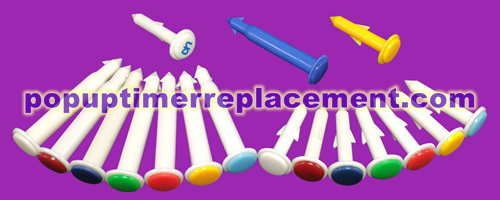
Why Food Companies Should Consider a Disposable Pop-Up Timer Replacement Before Supply Problems Occur
Why Food Companies Should Consider a Disposable Pop-Up Timer Replacement Before Supply Problems Occur
For many food manufacturers, supplier replacement is often considered only after a problem appears. A delayed shipment, limited production capacity, or unexpected supply interruption can force companies to search for alternatives quickly.
However, professional procurement teams understand that the best time to evaluate a disposable pop-up timer replacement supplier is before an urgent situation happens.
By developing alternative sourcing options in advance, food companies can improve supply chain flexibility, reduce operational risks, and maintain stable production.
Why Supplier Replacement Planning Is Becoming More Important
Global food production depends on reliable supply networks. Even small components used in food processing can influence production schedules when supply becomes unstable.
For companies using disposable pop-up timers in turkey, poultry, meat, and ready-to-cook food applications, supplier planning is an important part of business continuity.
Common reasons companies begin evaluating replacement suppliers include:
- Increasing demand requiring additional production capacity
- Need for more competitive factory pricing
- Desire to reduce dependence on one supplier
- Requirement for improved customization support
- Need for stronger supply chain security
The Risk of Depending on Only One Disposable Pop-Up Timer Supplier
Single-source purchasing may simplify management, but it can also create hidden risks.
Potential challenges include:
- Production delays
- Unexpected capacity limitations
- Longer lead times during peak seasons
- Difficulty responding to market changes
- Lack of alternative negotiation options
For large food companies, maintaining an evaluated replacement supplier can provide valuable flexibility.
Replacement Suppliers Are More Than Emergency Solutions
A common misunderstanding is that replacement suppliers are only used when the original supplier fails.
In modern procurement strategies, an alternative supplier can provide many long-term advantages.
These include:
- Additional production capacity
- Improved purchasing flexibility
- Competitive sourcing options
- Alternative manufacturing expertise
- Supply chain risk reduction
A qualified replacement manufacturer should be viewed as a strategic business partner rather than a temporary backup.
When Should Companies Start Looking for a Replacement Supplier?
Before Seasonal Demand Increases
Many poultry and food products experience seasonal demand changes. Companies should evaluate alternative suppliers before peak production periods begin.
Early preparation allows enough time for:
- Sample testing
- Product approval
- Packaging confirmation
- Production planning
When Current Supply Capacity Becomes Limited
If a supplier cannot support future growth, companies may need to identify additional manufacturing resources before capacity becomes a constraint.
When Product Requirements Become More Complex
As brands expand, they may require:
- New temperature specifications
- Custom packaging
- Private label solutions
- Different product configurations
A specialized replacement manufacturer may provide additional technical flexibility.
How a Replacement Manufacturer Helps Improve Procurement Strategy
Better Supply Chain Flexibility
Working with qualified alternative manufacturers allows purchasing teams to create more flexible sourcing plans.
This reduces dependence on a single production source.
Improved Negotiation Position
Multiple qualified supplier options allow companies to better understand market conditions and make more informed purchasing decisions.
Faster Response to Business Changes
Markets can change quickly. A prepared supplier network allows companies to respond more efficiently when demand increases or requirements change.
What Makes a Good Disposable Pop-Up Timer Replacement Manufacturer?
Not every supplier can successfully replace an existing production source. Buyers should evaluate several important factors.
Dedicated Product Experience
A manufacturer specializing in disposable pop-up timers understands the technical requirements of the product category.
Important areas include:
- Temperature activation technology
- Product structure
- Material selection
- Manufacturing consistency
Stable Manufacturing Capability
Replacement suppliers must be able to support commercial requirements, including bulk production and consistent delivery.
International B2B Experience
Global buyers need suppliers that understand export requirements, communication processes, and long-term cooperation.
OEM Support Capability
A strong replacement manufacturer should support customization options such as:
- Custom activation temperature
- Custom colors
- Logo branding
- Private label packaging
- Bulk packaging solutions
A Practical Process for Developing a Replacement Supplier
- Identify current product specifications and purchasing requirements.
- Search for specialized disposable pop-up timer manufacturers.
- Review factory experience and production capability.
- Request samples and complete performance testing.
- Confirm quality requirements and packaging details.
- Establish a long-term cooperation plan.
This process helps companies create a reliable alternative source without disrupting existing operations.
Common Mistakes Companies Make When Searching for Replacement Suppliers
Waiting Until a Crisis Happens
Finding a supplier during an urgent shortage creates unnecessary pressure and reduces evaluation time.
Focusing Only on Price
The lowest quotation does not always provide the best long-term value.
Ignoring Factory Specialization
Suppliers with limited product knowledge may struggle to maintain consistent quality.
Skipping Qualification Steps
Testing and evaluation are essential before approving a replacement manufacturer.
FAQ: Disposable Pop-Up Timer Replacement Planning
Why should food companies evaluate replacement suppliers early?
Early evaluation gives companies enough time to test products, compare suppliers, and establish reliable alternatives before supply problems occur.
Is a replacement supplier only needed during emergencies?
No. Many companies use alternative suppliers as part of long-term supply chain management strategies.
Can a replacement manufacturer support large-volume orders?
Yes. Qualified manufacturers can provide bulk production solutions for food processors, distributors, and commercial buyers.
How long does supplier replacement evaluation usually take?
The timeline depends on product requirements, testing procedures, customization needs, and approval processes.
What should buyers check before selecting a replacement supplier?
Buyers should evaluate manufacturing experience, quality control, production capability, customization support, and export experience.
Building a More Secure Future Supply Chain
For food manufacturers, supplier replacement should not be viewed only as a response to problems. It should be part of a proactive sourcing strategy.
By identifying qualified disposable pop-up timer replacement manufacturers before challenges occur, companies can improve flexibility, reduce risk, and create stronger supply networks.
The most successful procurement strategies are built before problems appear. A reliable alternative supplier provides confidence, stability, and long-term business value.
Disclaimer: The terms "pop up timer" and "temperature indicator" are general product category names widely used in the food industry. This website represents an independent Chinese manufacturer of disposable pop-up timers and temperature indicators. We are not affiliated with, authorized by, or connected to any other brand, company, or trademark owner.